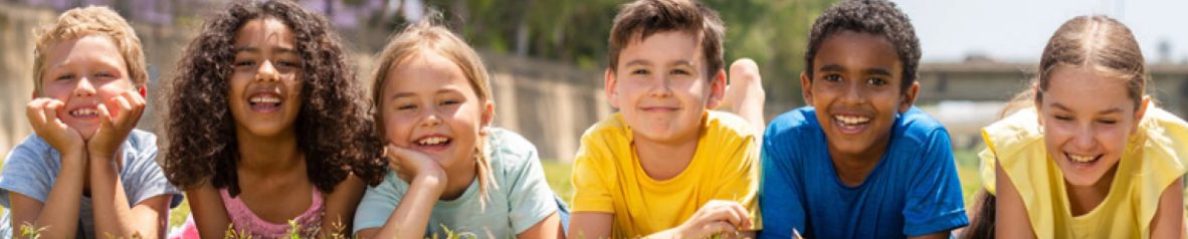
They Are Different From Us: Familiar to us is the adage, ‘Men are from Mars and Women are Venus’, it may only be partially true, but for children, they are certainly from a different world all together. As Piaget, the famous Swiss researcher, showed over and over again “Children thinking is qualitatively different from that of adults. Their focusing is different, their brains literally are developmentally different from adults.” In our radio show we discover those differences through the children’s voices as they share a part of their child’s world with us.
Examples of The Kinds of Differences We Will Discover:
Here are differences we will likely to discover. But these are felt not as abstractions, not as concepts, but felt and understood in the actual voices of the children.
— They need time to process; to find their opinion, to feel how they see it. They have very limited experience to draw from so they need time to process it in their own rhythm. And in time through this process their character will be formed. But it takes time.
— Their world is small. Some things that that they experience may seem small to us but to them they som often obsess over them.
— They are lack a history of experiences. Be patient they need time to gain a perspective. They will have have mistaken opinions that they need to realize that for themselves. But it takes time
— This list of these differences goes on and on . . .
An Example of One of These Differences on the Topic of Lying:
During one session of Helen Parkhurst’s award winning ABC Radio show broadcasted from Radio City Music Hall NYC in 1950 in which they were discussing ‘Lying‘. An eleven year old boy named Thomas spoke of listening to his Mom as she took a phone call in which she was asked if she wanted to play cards. She declined giving some excuse. Then a few minutes later another friend called and asked her the same question and she replied, “Yes, that would be great.”
Thomas felt with great force, “She is a liar. He could not understand, except to know she is a liar. For from child’s perspective it was ‘The Activity‘ of playing cards that mattered while to the adult it very much mattered who they played with. It is the Activity that matters to them not who they do it with.
Our Hope: That not only can we discover their world but by them expressing themselves and being heard, they are validated and by saying them aloud this itself may be empowering. And further we hope, that we as parents, teachers and care givers as we understand them more we might, better serve them and avoid conflicts that come from not knowing how they feel from that precious world that is childhood.
 The Child's World: Zooms, Podcasts & Radio